(Image via
Taking your car to the mechanic can feel intimidating, especially when you see the final bill. The good news is that you do not need to be a professional mechanic to handle some of the most common maintenance tasks. Learning a few basic DIY skills can save you hundreds of dollars a year and empower you with a deeper understanding of how your vehicle works. You have the ability to take control of your car's health and your budget. This guide is here to walk you through simple, practical maintenance tips that anyone can learn, helping you keep your car running smoothly and your wallet happy.
Why DIY Car Maintenance Matters
Regular maintenance is crucial for the longevity and safety of your vehicle. Small issues, when ignored, can quickly turn into expensive, major repairs. By performing simple checks and replacements yourself, you catch these problems early. This proactive approach not only saves you money on labor costs but also helps you avoid the stress of an unexpected breakdown.
Empowerment is another huge benefit. Understanding the basics of your car demystifies what happens under the hood. It gives you the confidence to speak knowledgeably with a mechanic when you do need professional help, reducing the risk of being overcharged for unnecessary services. Learning these skills is an investment in yourself that pays dividends for years to come.
Essential Tools for Your Starter Kit
You do not need a garage full of professional equipment to get started. A small, affordable toolkit can handle most basic maintenance tasks. We recommend building your kit with these essentials:
- Owner's Manual: This is your car's instruction book. It contains specific information about fluid types, replacement schedules, and tire pressure. Keep it in your glove compartment.
- Socket and Wrench Set: A good set with various sizes will be your most-used tool for loosening and tightening nuts and bolts.
- Screwdrivers: A set with both Phillips head and flathead screwdrivers is a must-have.
- Pliers: A pair of needle-nose pliers and standard pliers will come in handy for various tasks.
- Tire Pressure Gauge: A simple pen-style gauge is inexpensive and essential for checking your tires.
- Funnel: This prevents spills when you are adding fluids.
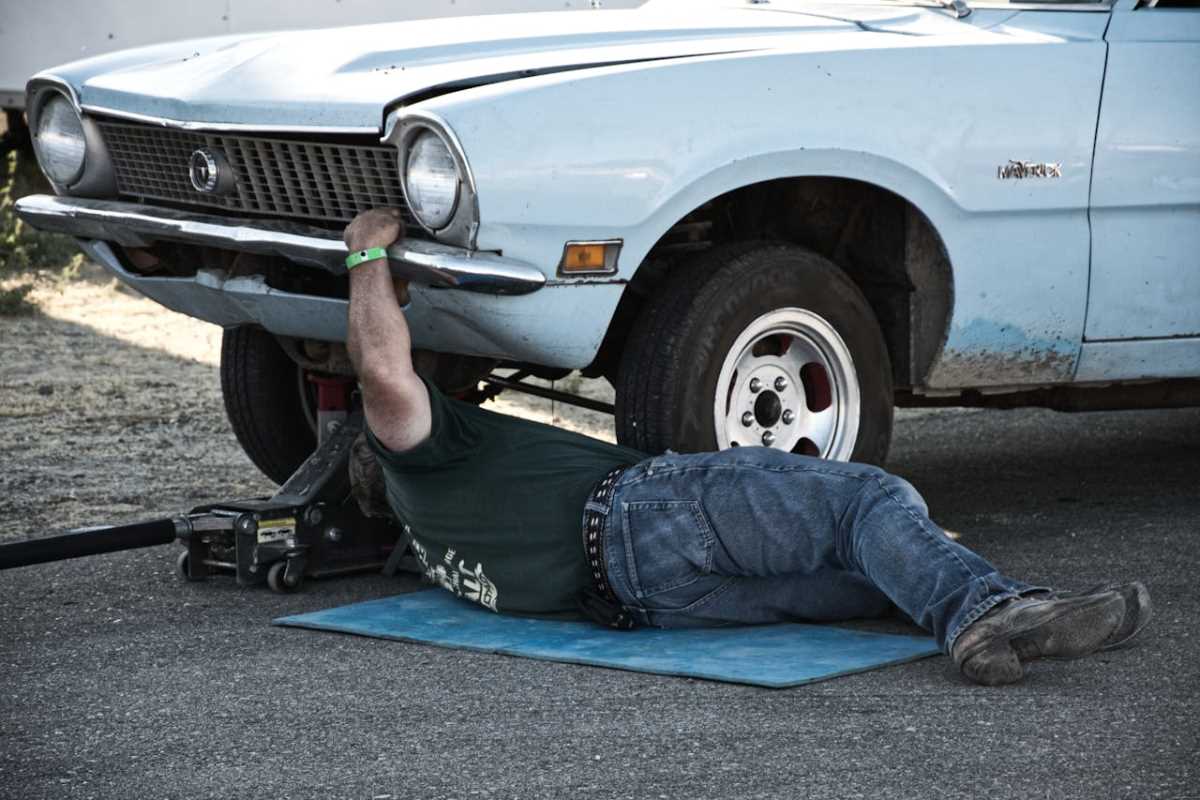
- Jack and Jack Stands: For any task that requires lifting your car, such as changing a tire or an oil change, a hydraulic jack and a pair of sturdy jack stands are non-negotiable for safety.
Simple DIY Tasks You Can Master
Here are five straightforward maintenance tasks you can learn to do yourself. Remember to always consult your owner's manual for specifics related to your vehicle and to work in a well-lit, flat area for safety.
1. Checking and Topping Off Essential Fluids
Your car relies on several fluids to run properly. Checking them regularly is one of the easiest and most important things you can do.
- Engine Oil: Park your car on level ground and wait for the engine to cool. Locate the oil dipstick (it usually has a brightly colored handle), pull it out, and wipe it clean with a rag. Reinsert it fully, then pull it out again to check the level. The oil should be between the "Full" and "Add" marks. If it is low, use a funnel to add the correct type of oil, which you can find in your owner's manual.
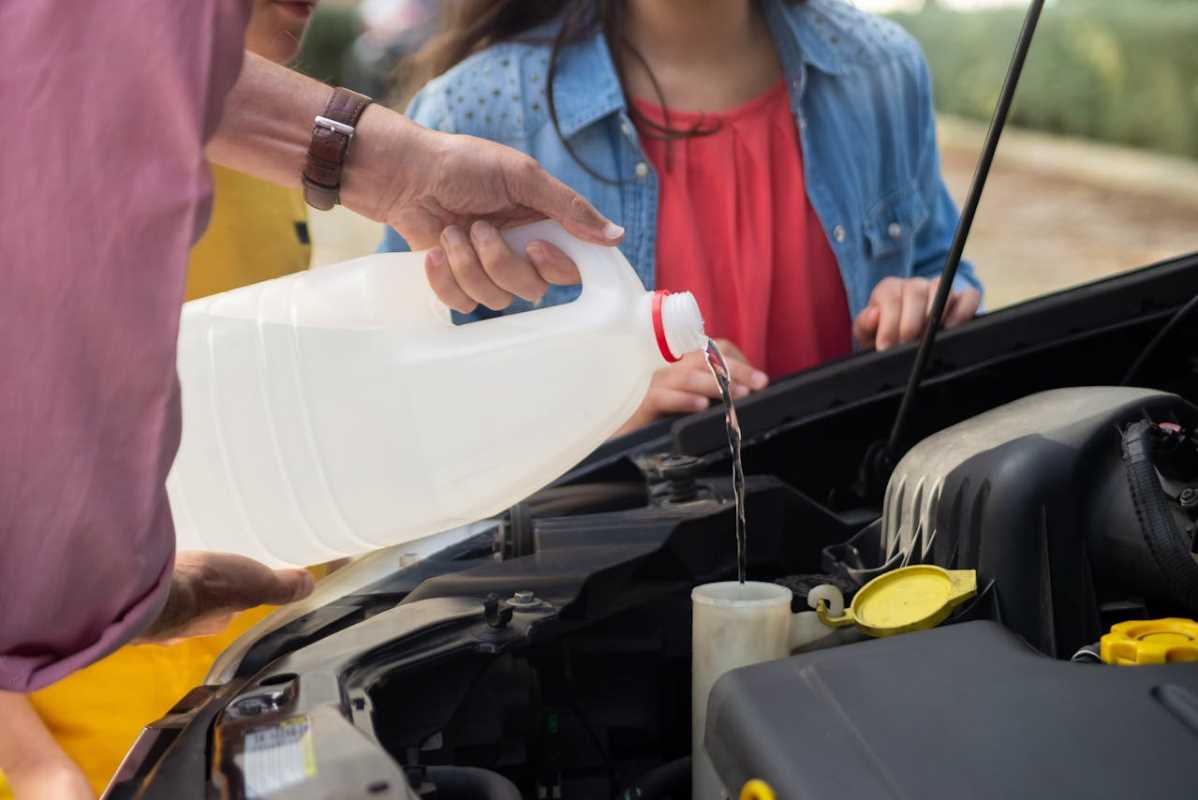
- Windshield Washer Fluid: This one is simple. Locate the washer fluid reservoir (it often has a symbol of a windshield on the cap), open it, and pour in washer fluid until it is full.
- Coolant (Antifreeze): Never open the radiator cap when the engine is hot. The system is pressurized and can cause serious burns. Wait for the car to cool completely. Check the level in the see-through coolant overflow reservoir. If the level is below the "Full" line, add a 50/50 mix of coolant and distilled water.
2. Replacing Your Engine Air Filter
A clean air filter helps your engine breathe, improving fuel efficiency and performance. This is a quick task that usually requires no tools at all.
- Locate the Air Filter Housing: This is typically a large, black plastic box near the top of the engine.
- Open the Housing: You can usually open the housing by releasing a few metal clips with your hands. Some older models may require a screwdriver.
- Swap the Filter: Lift out the old filter and note its condition. A new filter is white or off-white. A dirty one will be gray or black. Place the new filter in, ensuring it is seated correctly, and secure the housing clips. This five-minute job can save you $50 or more compared to having a shop do it.
3. Replacing Your Windshield Wipers
Worn-out wiper blades are a safety hazard, smearing water across your windshield instead of clearing it. Replacing them is a simple, tool-free job.
- Lift the Wiper Arm: Pull the wiper arm away from the windshield until it locks in a service position.
- Release the Old Blade: Look for a small tab or button where the blade connects to the arm. Press this tab and slide the old blade off.
- Install the New Blade: Slide the new wiper blade onto the arm until it clicks into place. Gently lower the arm back onto the windshield. Repeat for the other side. You just saved money and improved your visibility in the rain.
4. Checking and Maintaining Tire Pressure
Proper tire pressure is crucial for safety, fuel economy, and tire longevity. You should check your tire pressure at least once a month.
- Find the Correct PSI: Your car’s recommended tire pressure (PSI) is listed on a sticker inside the driver’s door jamb, not on the tire itself.
- Check the Pressure: Unscrew the valve cap from the tire. Press the tire pressure gauge firmly onto the valve stem. The gauge will show you the current pressure.
- Adjust as Needed: If the pressure is low, use an air compressor (available at most gas stations) to add air in short bursts, rechecking the pressure until it matches the recommendation. If the pressure is too high, use the nub on the back of the gauge to press down on the pin inside the valve stem to release air.
5. Cleaning Your Battery Terminals
Corrosion on your car battery terminals can prevent it from starting. Cleaning them is a simple way to ensure a reliable connection.
- Disconnect the Battery: Using a wrench, disconnect the negative (-) terminal first, then the positive (+) terminal. This prevents accidental short-circuiting.
- Clean the Terminals: Create a cleaning solution by mixing a tablespoon of baking soda with a cup of water. Use an old toothbrush or a wire brush to scrub the terminals and the inside of the connectors with the solution until the corrosion is gone.
- Rinse and Reconnect: Rinse the terminals with a small amount of clean water and dry them thoroughly with a rag. Reconnect the positive (+) terminal first, then the negative (-) terminal, and tighten the connections.
Know Your Limits
While DIY maintenance is empowering, it is also important to recognize your limits. Complex jobs involving brakes, the transmission, or the engine’s internal components are best left to a certified mechanic. You should never attempt a repair you are not comfortable with or do not have the proper tools and safety equipment for. The goal is to save money, not to create a bigger, more expensive problem or compromise your safety.